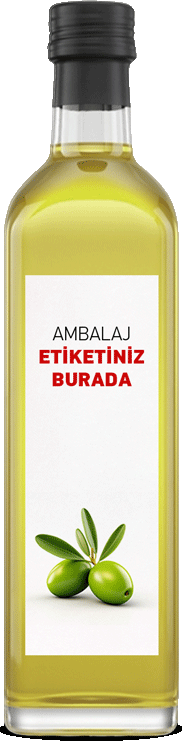
The acidity level of olive oil is influenced by several factors, including the region’s climate, soil fertility, olive variety, tree maintenance, pest control, fertilizer use, harvest and transportation methods, the time elapsed before oil extraction, and even washing and crushing techniques. All these elements collectively affect the quality, taste, and color of the final olive oil.
To measure the acidity level of olive oil, a large laboratory is not required. The necessary materials are: glass pipette, glass measuring tube, glass flask, alcohol ether, and acid determination solution.
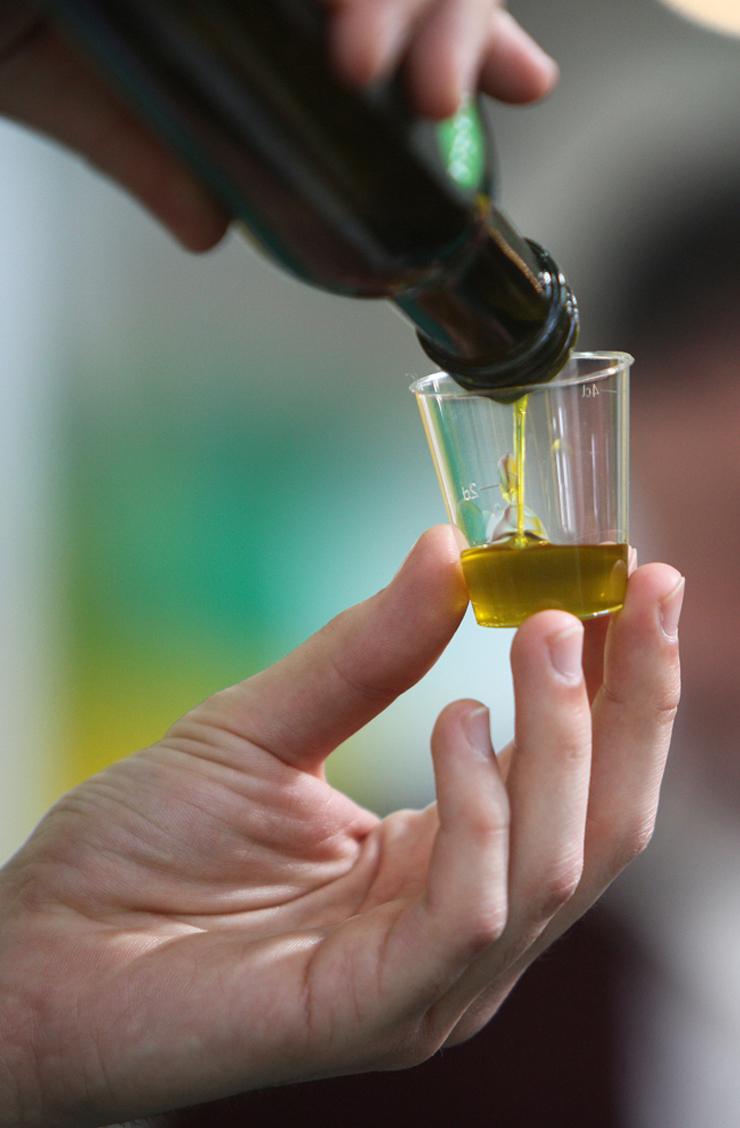
Begin by taking an oil sample using a metal ladle. Pour 10 grams of oil into the measuring tube, then add 30 grams of alcohol ether into the flask and pour the oil sample over it. Shake thoroughly. Fill the pipette with the acid determination solution and set the dizymetric scale to zero. Place the flask under the pipette and start dripping the solution slowly. The liquid will first turn pink, then yellow again. Continue adding the solution drop by drop until the pink color becomes stable and permanent.
Remember: “Good oil blushes quickly in the pipette.”
If the oil turns pink slowly, it indicates a high acidity level — for example, similar to a five-acid soap-grade oil.
 Click to Download Our Detailed PDF File